 Blue Chitta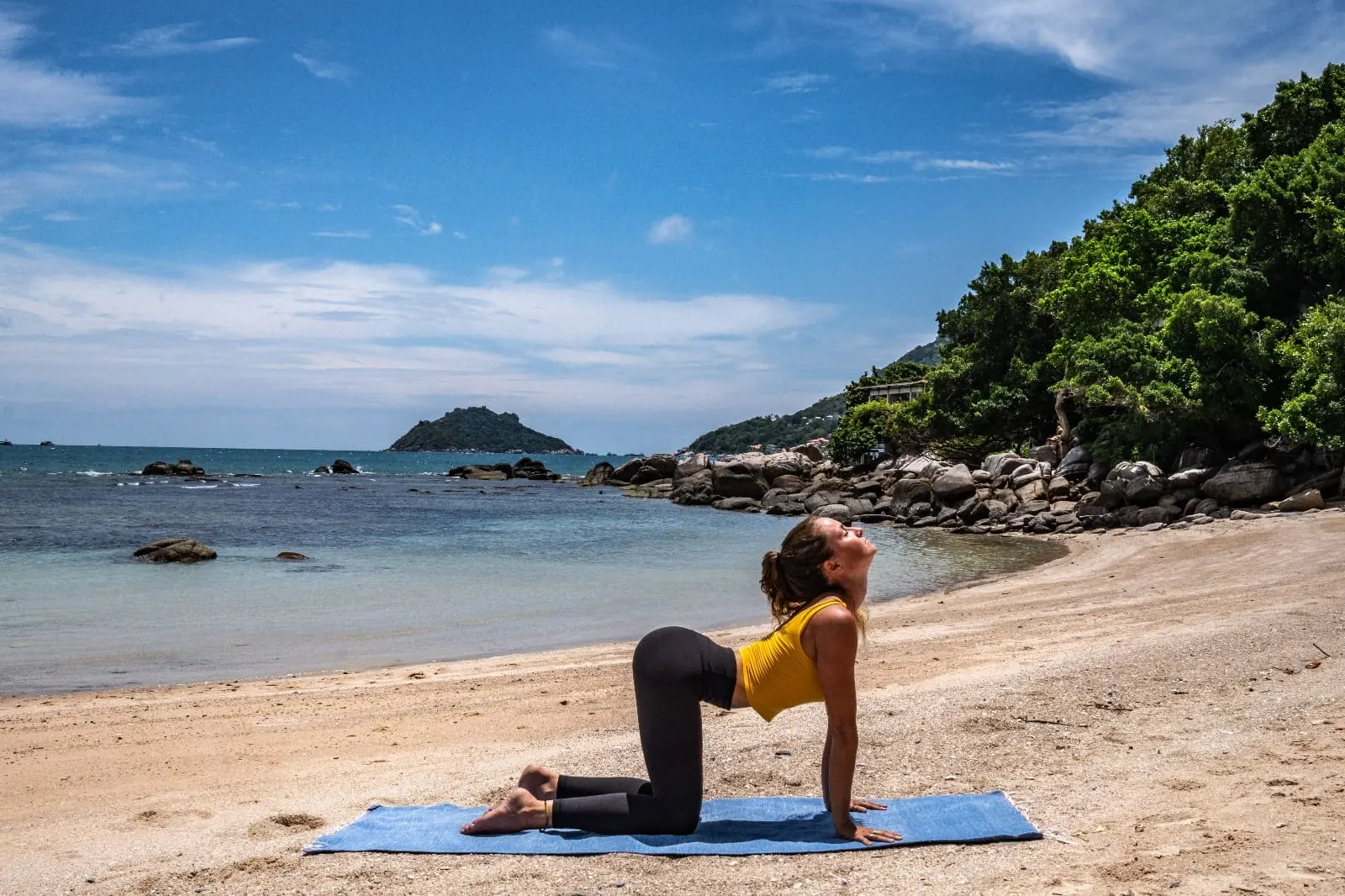
Freediving and yoga are a natural match.
Both practices invite us to slow down, connect with the breath, and move with more awareness. When combined, yoga can help freedivers improve flexibility, breathing efficiency, equalization, body awareness, and overall comfort underwater.
At Blue Chitta, yoga is an important part of our freediving retreat programs because we've seen how much it supports the freediving journey—not only physically but also mentally and emotionally.
Whether you are new to freediving or already exploring deeper depths, these yoga poses can help you feel stronger, more relaxed, and more connected both in and out of the water.
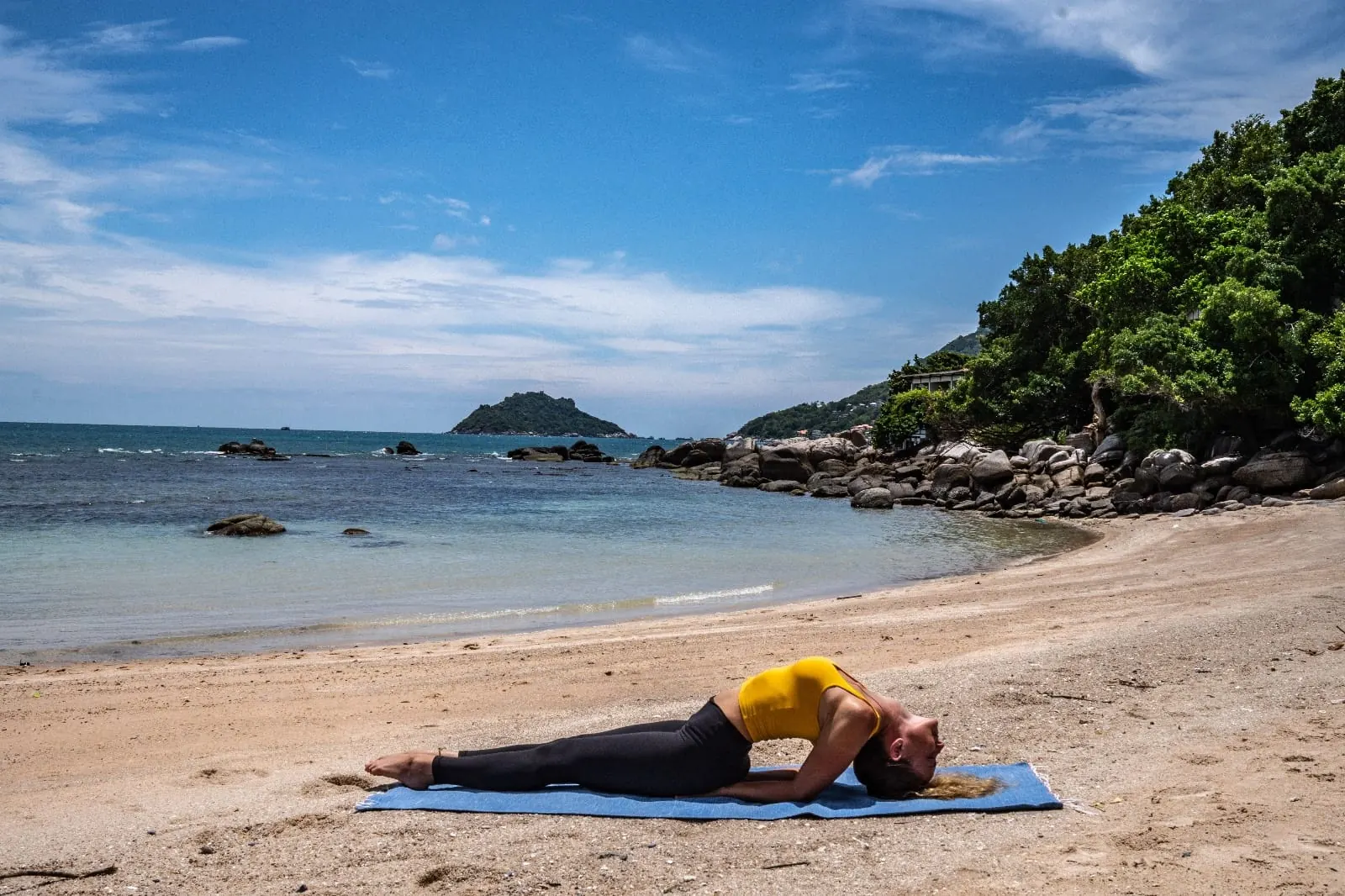
1. Fish Pose (Matsyasana)
One of the best yoga poses for freedivers, Fish Pose helps open the chest, throat, diaphragm, and breathing muscles.
As you freedive deeper, water pressure compresses the lungs and respiratory system. Keeping this area flexible can help reduce tension and improve comfort at depth.
Benefits for Freedivers
- Opens the chest and lungs
- Improves flexibility in breathing muscles
- Supports lung capacity expansion
- Helps adapt to water pressure more comfortably
How to Practice
Lie on your back and slide your arms underneath your body. Press into your forearms to lift the chest and gently release the crown of the head toward the floor.
Keep the breath slow and relaxed through the nose. Stay for 5–20 breaths.
The key is not forcing the posture, but creating space gradually with the breath.
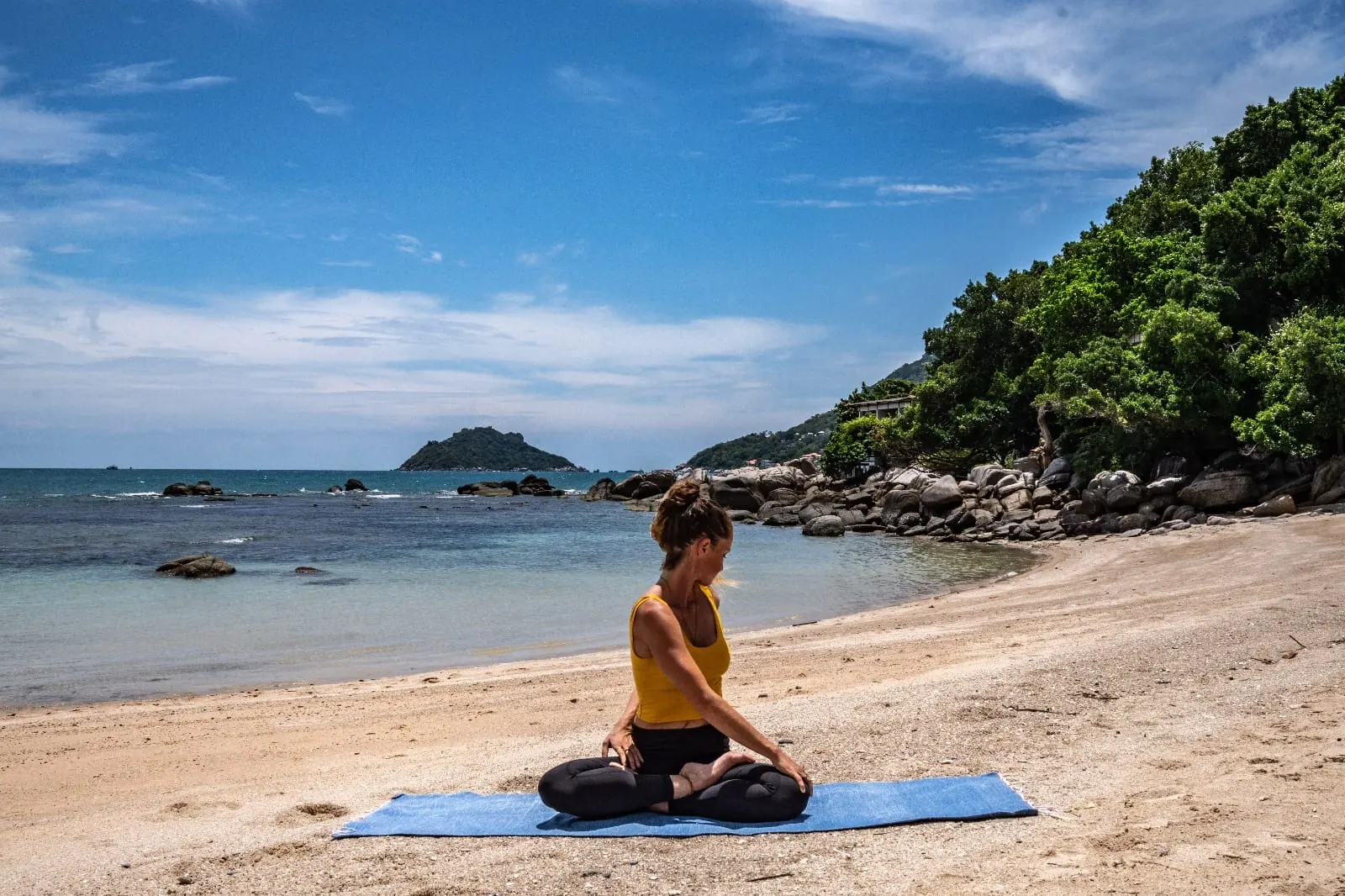
2. Seated Twist on Breath Hold
Twists are amazing for detoxification, spinal mobility, and nervous system balance. When combined with gentle breath holds, they can also help improve lung flexibility and chest mobility for freediving.
Benefits for Freedivers
- Improves lung flexibility
- Increases body awareness during breath holds
- Supports nervous system regulation
- Helps release tension around the rib cage and diaphragm
Important
Never force stretches on breath holds. Move slowly and stop as soon as you feel strong pressure in the chest or throat.
Freediving is not about pushing—it's about awareness.
How to Practice
Sit comfortably. Take a full inhale and hold the breath gently. Slowly twist to one side, keeping the movement soft and controlled. Return to center before exhaling.
Repeat on both sides with patience and awareness.
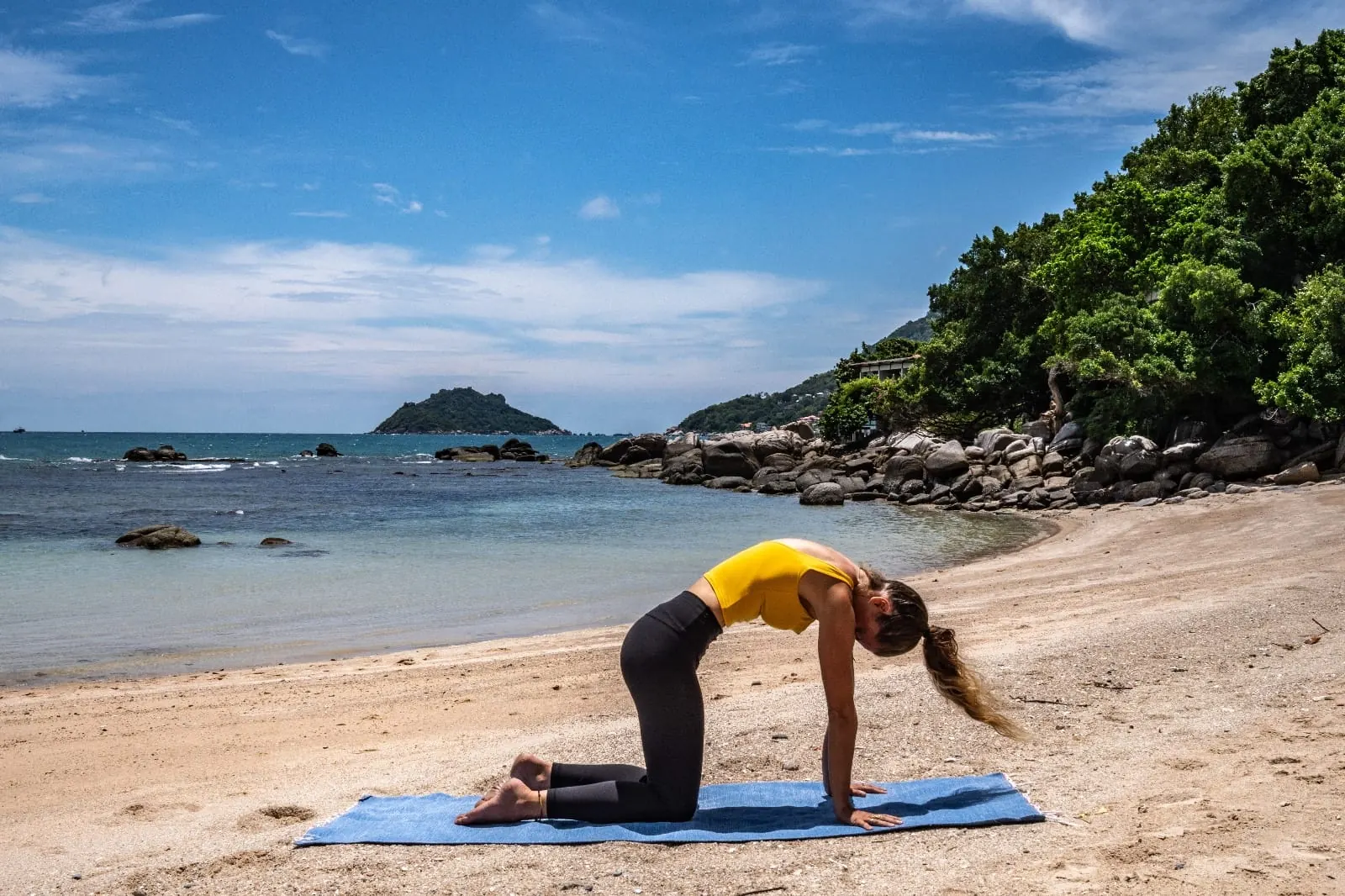
3. Cats & Cows on Empty Lungs
This spinal movement becomes incredibly powerful when practiced after a full exhale.
Moving on empty lungs increases awareness of the diaphragm and helps improve flexibility throughout the torso and respiratory muscles.
Benefits for Freedivers
- Mobilizes the spine and rib cage
- Improves diaphragm awareness
- Supports empty-lung flexibility
- Encourages fluid movement and breath connection
How to Practice
Come onto hands and knees. Fully exhale through the mouth, gently engage the core and pelvic floor, then slowly move through Cat and Cow without breathing.
Move gently and stop immediately if you feel strain in the chest or throat.
This practice should feel controlled and mindful – not aggressive.
4. Frog Pose (Mandukasana)
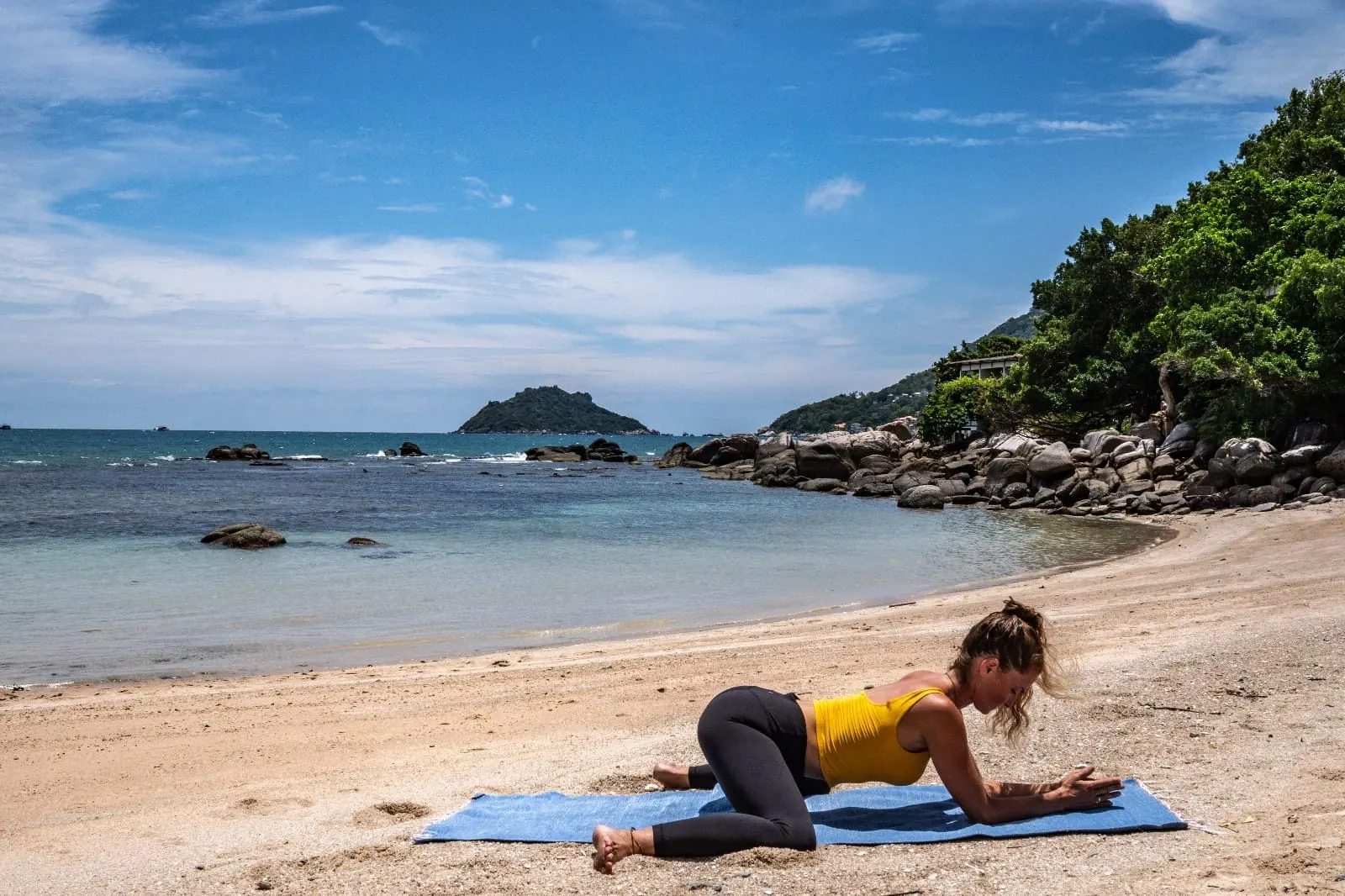
Frog Pose is intense – but incredibly valuable.
Freediving requires the ability to remain calm in discomfort. Frog Pose teaches exactly that.
As the hips open and the body softens, the mind also learns to relax instead of resist.
Benefits for Freedivers
- Opens hips and lower back
- Improves flexibility and mobility
- Helps train relaxation during discomfort
- Encourages emotional release and nervous system regulation
How to Practice
From hands and knees, slowly widen the knees apart while keeping the ankles aligned.
Breathe slowly and allow the body to soften over time.
Discomfort is normal. Sharp pain is not.
One of the greatest lessons of both yoga and freediving is learning the difference between tension and danger.
5. Headstand with Nose Clip
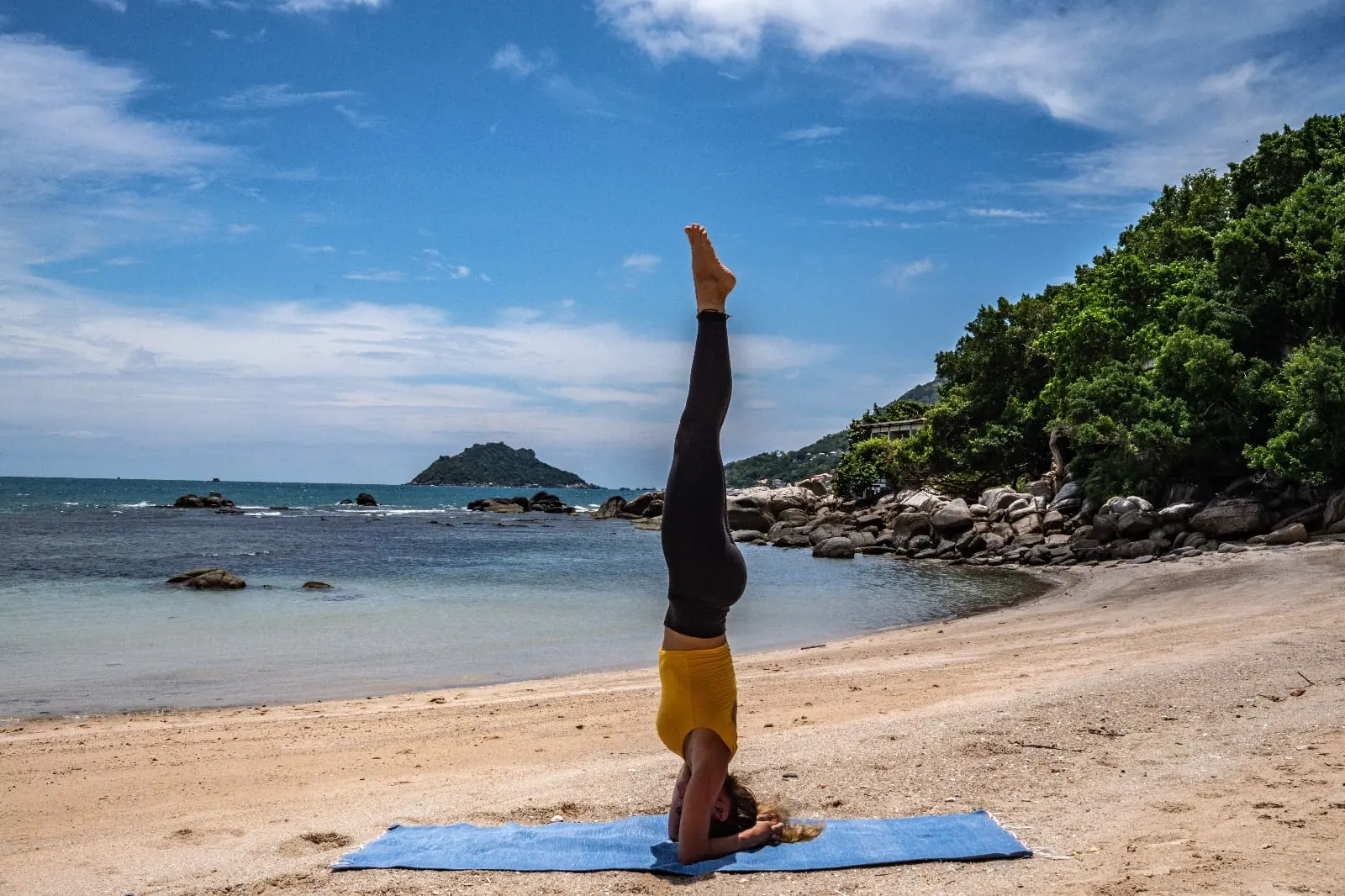
For many freedivers, equalization works perfectly feet-first – but becomes difficult upside down.
Practicing inversions with a freediving nose clip can help train head-down equalization safely on land.
Benefits for Freedivers
- Improves head-down equalization awareness
- Builds inversion comfort
- Trains tongue-based equalization techniques
- Develops coordination and relaxation upside down
Important Safety Note
Only practice this if you are already comfortable with headstands. Use a wall for support and never force equalization.
How to Practice
Using a freediving nose clip, come into a supported headstand against the wall. Once stable, begin practicing gentle equalization using the tongue and soft palate – not the diaphragm.
Stay relaxed and patient. Equalization is often more about relaxation than force.
Yoga & Freediving: The Perfect Combination
Freediving and yoga complement each other beautifully because both practices teach the same thing:
Awareness. Relaxation. Presence.
At Blue Chitta, we integrate yoga, breathwork, and meditation into our Freediving Retreats to help freedivers feel stronger, calmer, and more connected in and out of the water.
Because the deeper you relax, the deeper you can freedive.
The Takeaway
Yoga won't just improve your flexibility – it can completely transform the way you freedive.
By opening the body, calming the nervous system, and developing breath awareness, these practices help make freediving feel more effortless, safe, and enjoyable.
Start slowly. Stay consistent. And remember:
The goal is never to force the body. The goal is to learn how to relax into it.
Experience the connection between yoga, breath, and freediving for yourself through our Freediving Courses and Retreats. Reach out on WhatsApp to learn more.